
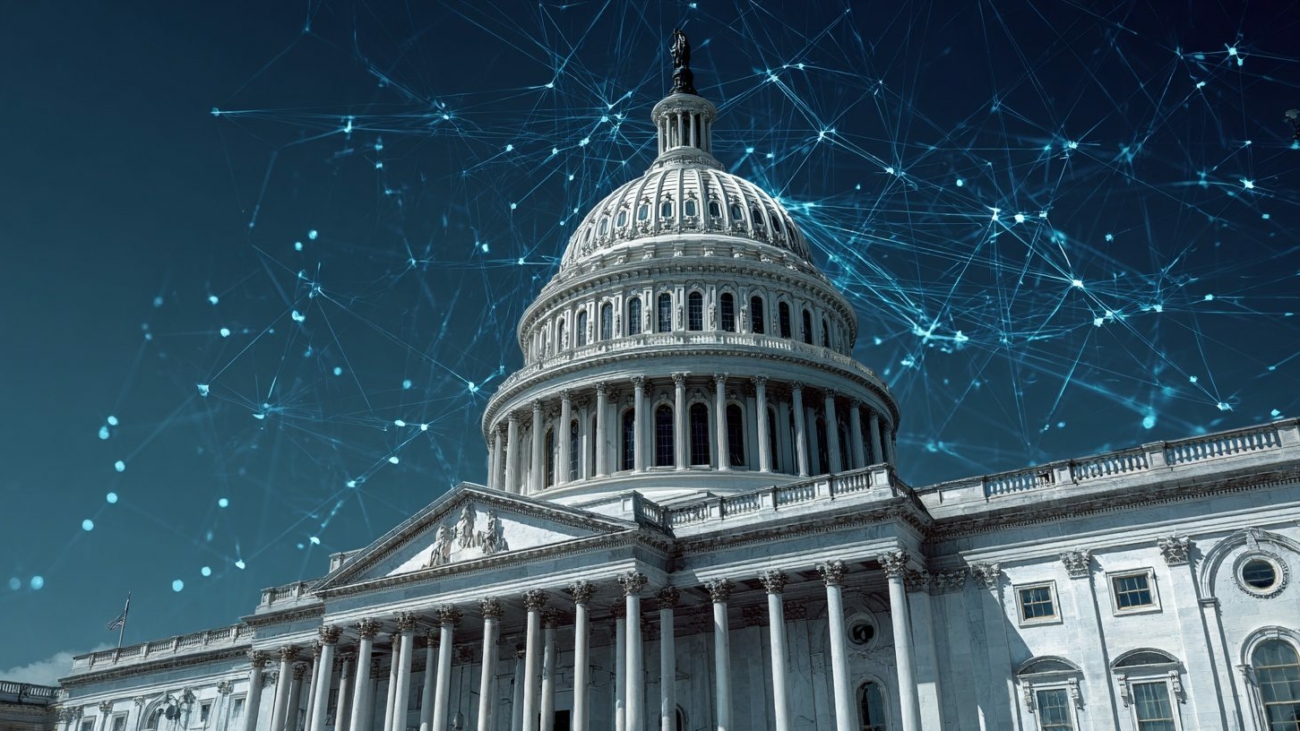
More than 120 of the world’s leading cryptocurrency companies — including industry titans Coinbase, Ripple, and Kraken — have formally submitted a letter to the United States Senate Banking Committee urging lawmakers to schedule a vote on long-stalled crypto market structure legislation. The unprecedented show of industry unity reflects growing frustration with crypto regulation 2026 uncertainty, with executives warning that continued regulatory ambiguity is driving crypto innovation, jobs, and capital offshore to more welcoming jurisdictions. This article examines the specific legislation being pushed, the arguments being made by crypto industry leaders, and what passage or failure of market structure legislation would mean for the future of digital asset regulation in America.
The Market Structure Bill: What Is Being Proposed
The market structure legislation that 120+ crypto firms are pushing through crypto regulation 2026 advocacy efforts represents the most comprehensive attempt to date to create a coherent regulatory framework for digital assets in the United States. The bill seeks to address fundamental questions that have plagued the crypto industry for years: which digital assets are securities versus commodities, which regulators (SEC or CFTC) have jurisdiction over specific crypto markets, and what disclosure and operational standards apply to crypto exchanges and other market participants.
The core of the proposed legislation establishes a taxonomy for digital assets that separates them into categories based on their characteristics and use cases, rather than relying on the courts to determine on a case-by-case basis whether specific tokens are securities under existing law. This categorical approach — much like how the Howey Test has been applied to traditional securities — would provide certainty for token issuers, exchanges, and investors about the regulatory treatment of their specific activities.
For decentralized protocols and tokens with sufficient decentralization, the legislation proposes a new category that would be regulated by the CFTC as commodities rather than the SEC as securities. This is particularly significant for projects like Ethereum, which has operated under uncertainty about its regulatory status for years despite growing consensus that ETH is a commodity. Crypto regulation 2026 clarity on this point would unlock institutional participation that has been blocked by compliance departments unwilling to hold assets with uncertain regulatory status.
The bill also addresses exchange regulation, proposing registration requirements for crypto trading platforms along with customer protection standards, disclosure obligations, and market integrity rules. These requirements are designed to provide investors with protections comparable to those they receive in traditional securities markets, while being calibrated to the specific characteristics of crypto markets rather than simply imposing existing securities exchange rules wholesale.
Why Coinbase, Ripple, and Kraken Are Leading This Push
The three companies most prominently associated with the crypto regulation 2026 legislative push — Coinbase, Ripple, and Kraken — each have distinct motivations rooted in their specific regulatory histories and business interests. Understanding these motivations provides important context for evaluating the industry’s advocacy efforts.
Coinbase, as the largest US-regulated crypto exchange, has faced years of regulatory uncertainty that has complicated its business operations and created legal exposure. The company has been engaged in an ongoing battle with the SEC over whether certain tokens listed on its platform constitute securities — a question that the proposed market structure legislation would answer definitively. For Coinbase, crypto regulation 2026 clarity is not just a policy preference but a business necessity that would allow the company to expand its product offerings and reduce compliance costs.
Ripple’s motivation stems from its protracted legal battle with the SEC over whether XRP constitutes a security — a battle that ultimately resulted in a landmark court ruling that XRP sold on public exchanges does not constitute a security. Despite this legal victory, Ripple continues to face regulatory uncertainty in the United States and has expanded aggressively into international markets with clearer crypto regulatory frameworks. The proposed market structure legislation would codify the type of clarity that Ripple fought for through the courts, potentially unlocking US institutional demand for XRP that has been suppressed by regulatory uncertainty.
Kraken, which has faced its own regulatory challenges including SEC enforcement actions and settlement agreements, views comprehensive crypto regulation 2026 market structure legislation as preferable to the current “regulation by enforcement” approach that has characterized the SEC’s engagement with the crypto industry. Clear rules would allow Kraken to plan its business with confidence, expand product offerings to US customers, and potentially re-enter certain markets that it has avoided due to regulatory risk.
The Regulatory Uncertainty Argument: Innovation Exodus
The central argument made by the 120+ crypto firms in their letter to the Senate Banking Committee is that continued regulatory uncertainty is causing an exodus of crypto innovation, talent, and capital from the United States to jurisdictions with clearer regulatory frameworks. This crypto regulation 2026 concern is backed by data: multiple crypto companies have shifted their headquarters or primary operational bases to more crypto-friendly jurisdictions like Singapore, Switzerland, Dubai, and the UK in recent years.
The implications of this innovation exodus extend beyond the crypto industry. Blockchain technology is increasingly recognized as foundational infrastructure for a wide range of future financial and economic applications — from tokenized real-world assets and programmable money to decentralized identity systems and Web3 applications. If the companies building this infrastructure choose to locate outside the United States due to hostile regulatory environments, America risks ceding leadership in a technology sector that could be as transformative as the internet was in the 1990s.
The letter explicitly draws this analogy, warning that the United States risks repeating the mistake made in the early days of internet regulation, when overly cautious or hostile regulatory approaches in some jurisdictions allowed more welcoming environments to capture the lion’s share of internet economy value creation. The crypto regulation 2026 stakes, the letter argues, are comparable: America can either create a regulatory framework that allows the crypto industry to flourish domestically, or watch the industry’s center of gravity shift permanently to other jurisdictions.
Political Dynamics: Senate Banking Committee Considerations
The political dynamics surrounding crypto regulation 2026 market structure legislation are complex, with the outcome dependent on the interplay of multiple political, philosophical, and interest-group factors. The Senate Banking Committee, which would be the primary committee to advance the legislation, includes members with widely varying views on crypto regulation, from enthusiastic supporters who see crypto as a critical innovation sector to skeptics who remain concerned about consumer protection, financial stability, and money laundering risks.
The 2026 political environment has been somewhat more favorable to crypto regulation 2026 reform than previous years, with several high-profile political victories for the crypto industry in both legislative and executive branch contexts. The industry’s substantial campaign contributions in recent election cycles have helped build relationships with key lawmakers, and several prominent politicians have publicly endorsed the case for comprehensive market structure legislation.
However, significant political obstacles remain. Progressive lawmakers concerned about crypto’s environmental impact, its use in illicit finance, and the risks it poses to retail investors have consistently resisted comprehensive market structure legislation that they view as legitimizing a problematic industry. Banking industry lobbying against crypto regulation frameworks that would allow crypto companies to compete with traditional banks also represents a significant headwind for the legislation.
Polymarket and CFTC: A Case Study in Regulatory Progress
A notable development in the crypto regulation 2026 landscape that illustrates both the opportunities and challenges of the current regulatory environment is Polymarket’s reported efforts to seek CFTC approval to reopen its main exchange to US traders. Polymarket, a leading prediction market platform, had previously restricted US access due to regulatory uncertainty about whether prediction markets constitute illegal gambling or regulated futures products.
Polymarket’s CFTC engagement represents a potential model for how crypto platforms can work constructively with regulators to achieve compliant US market access. If successful, it would demonstrate that the CFTC — which has generally been more receptive to crypto innovation than the SEC — can develop workable regulatory frameworks for novel digital asset products without requiring new legislation. This model of regulatory engagement could inform how other crypto platforms approach the crypto regulation 2026 challenge.
Justin Sun vs World Liberty Financial: Regulatory Wild Cards
The crypto regulation 2026 landscape also includes unexpected legal battles with significant implications. Tron founder Justin Sun has filed a federal lawsuit against Trump’s World Liberty Financial after claiming his $75 million token position was secretly frozen — a dispute that has drawn significant attention due to its political dimensions and the questions it raises about token governance and investor protections.
The Sun vs World Liberty Financial case illustrates how the absence of clear crypto regulation 2026 frameworks creates legal gray zones that lead to expensive and potentially precedent-setting litigation. If comprehensive market structure legislation had been enacted, the rights and obligations of token holders in situations like Sun’s would likely be more clearly defined, potentially preventing the dispute or providing clearer legal pathways for resolution.
Conclusion: The Stakes of Crypto Regulation 2026
The push by 120+ crypto firms for Senate action on market structure legislation represents a critical moment in the crypto regulation 2026 narrative. The arguments for comprehensive regulatory clarity — preventing innovation exodus, protecting consumers with appropriate standards, and positioning America as a leader in a transformative technology sector — are compelling and represent broad industry consensus. Whether the Senate Banking Committee will respond with the urgency that the industry demands remains to be seen, but the stakes of inaction are clear: continued regulatory uncertainty will accelerate the relocation of crypto innovation offshore, with long-term consequences for American technological leadership and economic competitiveness. The crypto regulation 2026 debate is not just about cryptocurrency — it is about America’s role in shaping the future of global finance.


