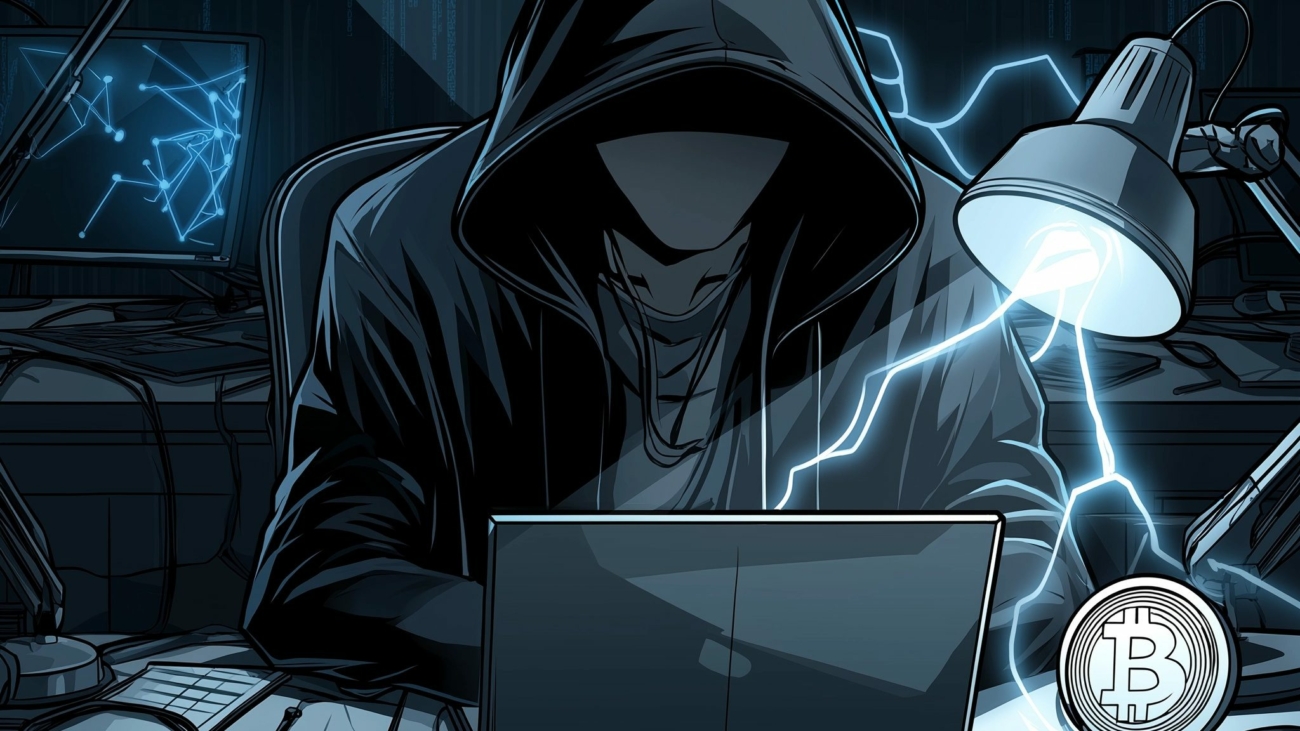
The DeFi sector was rocked on April 1, 2026, when Drift Protocol — one of Solana’s largest decentralized perpetuals exchanges — suffered a devastating $285 million exploit, claiming the title of the biggest crypto hack of 2026. The Drift Protocol hack wiped out more than half of the protocol’s total value locked (TVL) in a matter of hours, sending shockwaves through the Solana ecosystem and prompting urgent questions about DeFi security standards. The sophistication of the attack, which involved a carefully orchestrated oracle manipulation scheme using a fake token, represents a new high-water mark for DeFi exploit complexity.
The Drift Protocol hack unfolded on April Fool’s Day — a timing that many in the crypto community initially dismissed as a joke, tragically underestimating the severity of the situation. By the time the exploit was confirmed and Drift Protocol’s team began emergency communications, hundreds of millions in user funds had already been drained. Understanding the mechanics of the Drift Protocol hack, its broader implications for DeFi security, and the path forward for affected users and the protocol itself is essential context for anyone involved in decentralized finance.
How the Drift Protocol Hack Worked: Oracle Manipulation Exposed
The Drift Protocol hack exploited a critical vulnerability in the protocol’s price oracle system — the mechanism that DeFi platforms use to determine the current market price of assets for liquidation, collateral valuation, and trading purposes. The attacker demonstrated exceptional technical sophistication in constructing a multi-step attack that circumvented Drift Protocol’s security measures.
The Drift Protocol hack began with the creation of a fraudulent token called “CarbonVote Token” (CVT). The attacker minted approximately 750 million CVT tokens and seeded a small but strategically positioned liquidity pool on Raydium, a popular Solana-based decentralized exchange. By maintaining consistent trading activity in the CVT/SOL pair, the attacker established a price history that appeared legitimate to Drift Protocol’s oracle system.
The critical vulnerability in the Drift Protocol hack was that the protocol’s oracle system failed to adequately filter or verify the authenticity of price feeds for newly listed tokens. Once CVT had accumulated sufficient price history to register as a “real” asset, the attacker used CVT as collateral within Drift Protocol, borrowing against its artificially inflated value. The Drift Protocol hack then involved a rapid series of leveraged positions and withdrawals that drained the protocol’s liquidity pools before the oracle manipulation could be detected and corrected.
Security researchers who analyzed the Drift Protocol hack noted that the attacker demonstrated deep familiarity with Solana’s high-throughput transaction processing capabilities, using the network’s speed to execute the exploit faster than any manual intervention could respond. The entire Drift Protocol hack, from initial CVT seeding to final fund extraction, was executed in under two hours — a testament to both the attacker’s preparation and Solana’s throughput capabilities, which cut both ways in DeFi security contexts.
The Scale of Losses: $285 Million and What It Means
The $285 million stolen in the Drift Protocol hack immediately positioned it as 2026’s most significant DeFi security incident, surpassing all previous exploits of the year by a substantial margin. To contextualize the Drift Protocol hack’s scale: the losses represent more than the GDP of several small nations and would rank among the top 10 largest DeFi exploits in the history of decentralized finance.
The Drift Protocol hack’s impact on TVL was particularly severe, with protocol deposits dropping from approximately $520 million pre-hack to below $200 million as panicking users rushed to withdraw remaining funds. This TVL collapse following the Drift Protocol hack created a secondary crisis as liquidity fragmentation impaired the protocol’s ability to process orderly withdrawals for users whose funds were not directly affected by the exploit.
For Solana’s broader DeFi ecosystem, the Drift Protocol hack raised systemic risk concerns. DeFi protocols share oracle infrastructure, liquidity providers, and user bases in ways that can transmit contagion from a major hack to adjacent protocols. Following the Drift Protocol hack announcement, TVL across multiple Solana DeFi protocols declined as risk-averse users withdrew funds in precautionary moves — creating a broader liquidity crunch even in protocols with no direct exposure to the exploit.
DeFi Security Failures: Lessons from the Drift Protocol Hack
The Drift Protocol hack exposes several systemic weaknesses in how DeFi protocols manage oracle security and token listing criteria. These lessons apply not just to Drift Protocol but to the entire DeFi ecosystem, making the post-mortem analysis of the Drift Protocol hack broadly relevant for protocol developers and security researchers.
First, the Drift Protocol hack demonstrates the critical importance of robust oracle verification systems. Price oracles are the sensory organs of DeFi protocols — if they can be manipulated or deceived, the entire system of automated market-making, liquidations, and collateral management becomes compromised. Following the Drift Protocol hack, the DeFi security community has renewed calls for multi-oracle systems, time-weighted average price (TWAP) calculations, and circuit breakers that halt operations when price anomalies are detected.
Second, the Drift Protocol hack highlights the risks associated with accepting newly created tokens as collateral without sufficient vetting. The CarbonVote Token manipulation worked because Drift Protocol’s systems treated a token with only weeks of price history as equivalent to established assets. Post-Drift Protocol hack, many DeFi protocols are reviewing their token listing criteria to implement minimum market cap requirements, liquidity depth thresholds, and age requirements before tokens can be used as collateral.
Third, the Drift Protocol hack underscores the need for real-time security monitoring and emergency pause capabilities. The two-hour window during which the Drift Protocol hack unfolded was sufficient for the attacker to drain hundreds of millions in funds. Protocols with more sophisticated anomaly detection and faster emergency response mechanisms might have been able to limit losses even if the initial vulnerability had been exploited.
Regulatory Implications of the Drift Protocol Hack
The Drift Protocol hack will inevitably influence the ongoing regulatory debate around DeFi. Regulators in the United States, Europe, and Asia have been watching DeFi security incidents closely, and a $285 million hack of this sophistication provides ammunition for those arguing that DeFi protocols need stronger oversight frameworks.
The Drift Protocol hack comes as US regulators, specifically the SEC and CFTC, have just announced a new joint framework for crypto asset regulation. The timing is significant — the Drift Protocol hack will likely accelerate discussions about whether decentralized protocols should face enhanced security requirements as a condition of operating legally in regulated markets. Requirements for smart contract audits, bug bounty programs, and insurance mechanisms are all being discussed in the aftermath of the Drift Protocol hack.
From a victim’s perspective, the Drift Protocol hack raises important questions about investor protection in DeFi. Unlike centralized exchanges, which are subject to licensing requirements and customer protection rules, DeFi protocol users currently have limited legal recourse following exploits. The Drift Protocol hack may become a catalyst for regulatory action designed to establish minimum security standards for DeFi protocols serving retail investors.
SushiSwap Exploit: A Contemporaneous DeFi Security Crisis
The Drift Protocol hack was not the only major DeFi security incident in early April 2026. Just three days after the Drift Protocol hack, on April 4, SushiSwap suffered an exploit through a vulnerability in its RouteProcessor2 contract that resulted in approximately $3.5 million in losses. While far smaller than the Drift Protocol hack, the SushiSwap exploit demonstrated that oracle manipulation and contract vulnerabilities remain pervasive risks across the DeFi landscape.
The near-simultaneous occurrence of the Drift Protocol hack and the SushiSwap exploit has heightened concerns about a coordinated or opportunistic wave of DeFi attacks. Security researchers have noted that sophisticated attackers often monitor each other’s exploits for vulnerabilities to replicate and that the disclosure of one exploit can inspire attempts against related protocols. The DeFi community’s response to both the Drift Protocol hack and the SushiSwap exploit emphasizes the need for industry-wide security coordination.
Path Forward: Recovery and Rebuilding After the Drift Protocol Hack
In the aftermath of the Drift Protocol hack, the protocol’s team has announced a comprehensive security review and upgrade roadmap. This post-Drift Protocol hack remediation plan includes engagement with multiple leading smart contract security auditors, a complete redesign of the oracle system, and the implementation of enhanced monitoring and circuit breaker mechanisms.
The question of user compensation following the Drift Protocol hack remains unresolved and contentious. Without insurance coverage for the full amount of losses, full restitution to Drift Protocol hack victims would require either a significant protocol revenue allocation over time or investment from external parties. The Drift Protocol team has indicated it is exploring all available options, including legal action against the attacker and potential partnership arrangements that could provide recovery funds for Drift Protocol hack victims.
Conclusion: The Drift Protocol Hack as a DeFi Inflection Point
The $285 million Drift Protocol hack represents both a tragedy for affected users and a critical stress test for the DeFi ecosystem’s security standards. The sophistication of the oracle manipulation attack used in the Drift Protocol hack demands a serious, industry-wide response that goes beyond patching individual vulnerabilities.
For the DeFi sector to fulfill its promise of providing open, permissionless financial services at scale, it must demonstrate that protocols can resist attacks of the sophistication demonstrated in the Drift Protocol hack. The lessons learned from this incident — about oracle security, token listing criteria, monitoring systems, and emergency response — must be internalized across the DeFi ecosystem, or the Drift Protocol hack will merely be a preview of larger exploits to come.


