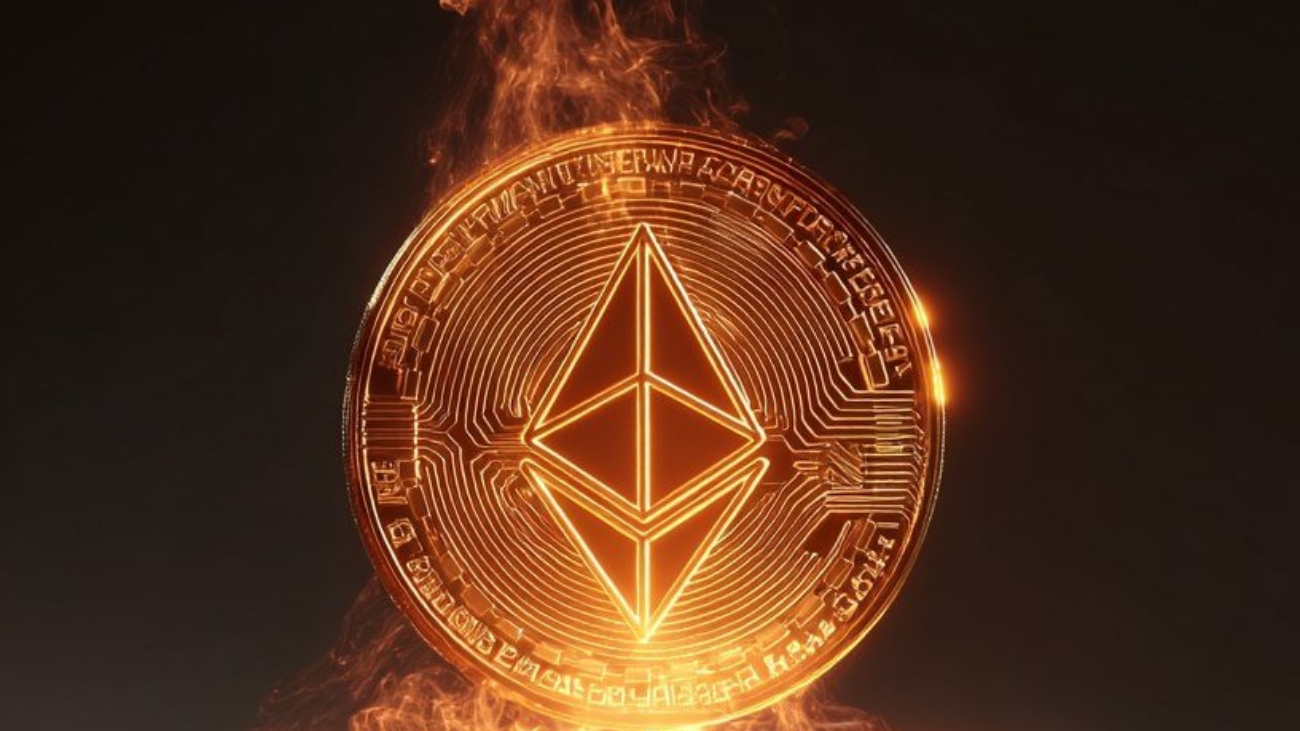
The Ethereum Glamsterdam upgrade has officially gone live in May 2026, marking the most significant technical overhaul the network has undergone since the Merge in 2022. By tripling Ethereum’s execution capacity and slashing gas fees by approximately 78%, the Glamsterdam upgrade addresses the two most persistent criticisms of the Ethereum network — scalability and cost — in a single coordinated hard fork. As ETH prices respond with a notable 2.11% daily gain and 24-hour trading volumes surge by 145% to $17.71 billion, the market is clearly taking notice of what the Ethereum Glamsterdam upgrade 2026 means for the long-term trajectory of the world’s second-largest cryptocurrency.
What Is the Ethereum Glamsterdam Upgrade?
The Ethereum Glamsterdam upgrade 2026 is named in the tradition of previous Ethereum hard forks that combine location names. Glamsterdam combines technical improvements from multiple Ethereum Improvement Proposals (EIPs) to deliver a step-change in network performance. The two most consequential changes are EIP-7732, which implements enshrined Proposer-Builder Separation (ePBS), and EIP-7928, which introduces Block-level Access Lists (BALs) to enable parallel transaction processing at scale.
Together, these improvements raise Ethereum’s gas limit from 60 million to 200 million — a 233% increase — and target a throughput of 10,000 transactions per second on the base layer. The 78.6% reduction in gas fees applies to both simple ETH transfers and complex smart contract interactions, meaning that DeFi protocols, NFT marketplaces, and institutional applications all benefit simultaneously from the Ethereum Glamsterdam upgrade 2026.
Critically, these improvements are achieved without compromising Ethereum’s security model. ePBS separates the roles of block proposers (validators) and block builders (specialized entities), reducing the concentration of power and MEV (Maximal Extractable Value) extraction that had become increasingly problematic. BALs allow the Ethereum Virtual Machine to process multiple non-conflicting transactions in parallel, dramatically increasing throughput without requiring additional validators or changing the consensus mechanism.
Gas Fees, TPS, and the DeFi Renaissance
For everyday Ethereum users and DeFi participants, the most immediate impact of the Ethereum Glamsterdam upgrade 2026 is the dramatic reduction in gas fees. At peak network usage in early 2025, simple ETH transfers cost $8-15 in gas fees, while complex DeFi interactions like multi-step yield farming or NFT minting could cost $50-200. Post-Glamsterdam, these costs are expected to fall to sub-dollar levels for standard transactions and under $5 for complex smart contract interactions.
This fee reduction has profound implications for DeFi. At 10,000 TPS with sub-dollar gas costs, Ethereum’s base layer becomes competitive with Layer 2 solutions for many use cases, potentially re-centralizing DeFi activity on L1 where composability and security are strongest. DeFi flows that migrated to Arbitrum, Optimism, and Base may partly reverse course, enriching Ethereum L1 validators and ETH stakers while deepening on-chain liquidity.
Tokenized real-world assets (RWAs), which have grown from $6.6 billion to $26.4 billion in the past year, stand to benefit enormously from the Ethereum Glamsterdam upgrade 2026. Institutional products like BlackRock’s BUIDL fund require reliable, low-cost settlement infrastructure. At sub-dollar fees with 10,000 TPS throughput, Ethereum becomes a genuinely viable base layer for institutional financial infrastructure — a market potentially worth trillions of dollars in tokenized assets over the coming decade.
ETH Price Response: Whale Accumulation and Market Momentum
The market response to the Ethereum Glamsterdam upgrade going live has been swift and significant. ETH gained 2.11% on the day of the upgrade’s activation, rising to $2,358, while 24-hour trading volume surged 145% to $17.71 billion — signaling genuine institutional and retail engagement with the event. The Ethereum Glamsterdam upgrade 2026 has given ETH a clear fundamental narrative that the asset has lacked since the Merge’s “ultrasound money” story faded.
On-chain data reveals extraordinary whale activity in the lead-up to and following the upgrade. Approximately 140,000 ETH was accumulated by large wallet addresses in the 96 hours surrounding the Glamsterdam activation — one of the largest concentrated accumulation events seen in the Ethereum market in over a year. This level of conviction buying from sophisticated market participants suggests they are positioning for a sustained post-upgrade re-rating of ETH.
The price faces a decisive test at the $2,361–$2,367 moving average resistance cluster. A sustained break above this level would open the path to $2,500 and potentially $3,000, which analysts identify as the key range for ETH to reclaim its narrative as the “productive asset” of the crypto economy — generating yield through staking while appreciating in value through increased utility and reduced supply inflation.
The Glamsterdam Upgrade vs. Solana: Who Wins the L1 Wars?
One of the most significant strategic implications of the Ethereum Glamsterdam upgrade 2026 is its impact on the competitive landscape among Layer 1 blockchains. Solana bulls have long argued that Ethereum is too slow and too expensive to compete at scale, with Solana’s 65,000+ TPS and sub-cent fees making it the preferred home for high-frequency applications like memecoins, gaming, and high-frequency DeFi.
Post-Glamsterdam, Ethereum’s 10,000 TPS with sub-dollar fees substantially narrows this performance gap. While Solana maintains a raw speed advantage, Ethereum’s superior security guarantees (no historical outages), deeper institutional trust, and dominant smart contract ecosystem give it structural advantages that throughput numbers alone cannot capture. The Ethereum Glamsterdam upgrade 2026 doesn’t make Ethereum faster than Solana — but it makes it fast enough for virtually every institutional use case while retaining Ethereum’s unmatched security profile.
Ethereum Staking Yields Post-Glamsterdam
The Ethereum Glamsterdam upgrade 2026 also has meaningful implications for ETH staking economics. By increasing the gas limit and enabling higher transaction throughput, more fee revenue flows to validators and ETH stakers. At current staking participation rates (approximately 28% of ETH supply staked), increased fee revenue translates directly to higher annualized staking yields — potentially pushing yields from the current 3.2% toward 4-5% as network utilization increases.
Higher staking yields make ETH increasingly attractive as a yield-bearing asset in institutional portfolios — particularly for those comparing it to tokenized Treasury yields of 4-5%. The combination of yield generation, scarcity mechanics (ETH burn through EIP-1559), and the network’s dominant position in smart contract infrastructure creates a multi-dimensional value proposition that Bitcoin’s pure store-of-value narrative cannot replicate.
Risks and Challenges for the Glamsterdam Upgrade
Despite the bullish narrative, the Ethereum Glamsterdam upgrade 2026 faces real risks and challenges. The upgrade’s complexity — particularly the ePBS implementation — introduces new vectors for potential bugs or unexpected behavior in edge cases. While the upgrade underwent extensive testing on Goerli, Sepolia, and Holesky testnets, production environments always introduce variables that testing cannot fully anticipate.
There is also the question of whether lower fees on Ethereum L1 will cannibalize the thriving L2 ecosystem. Arbitrum, Optimism, and Base have built substantial user bases and liquidity on the assumption that Ethereum L1 would remain expensive. If Glamsterdam draws activity back to L1, some L2 projects could face existential challenges — and the resulting uncertainty may weigh on the broader Ethereum ecosystem in the near term.
Conclusion: Glamsterdam as Ethereum’s Most Important Upgrade Since the Merge
The Ethereum Glamsterdam upgrade 2026 represents a watershed moment for the Ethereum ecosystem. By simultaneously tripling capacity and slashing fees by 78%, it directly addresses the scalability and cost criticisms that have driven users and capital toward competing L1 blockchains over the past two years. The immediate market response — a 145% surge in trading volume and significant whale accumulation — suggests the market recognizes the magnitude of this development.
For long-term ETH investors, the Ethereum Glamsterdam upgrade 2026 strengthens the fundamental case for holding ETH: higher utility drives higher fee revenue, which increases staking yields, while the EIP-1559 burn mechanism simultaneously reduces ETH’s circulating supply. As institutional demand for blockchain-based financial infrastructure grows and RWA tokenization approaches $50 billion and beyond, Ethereum’s position as the dominant smart contract platform — now with genuinely competitive performance characteristics — becomes more durable than at any point in the network’s history.


