
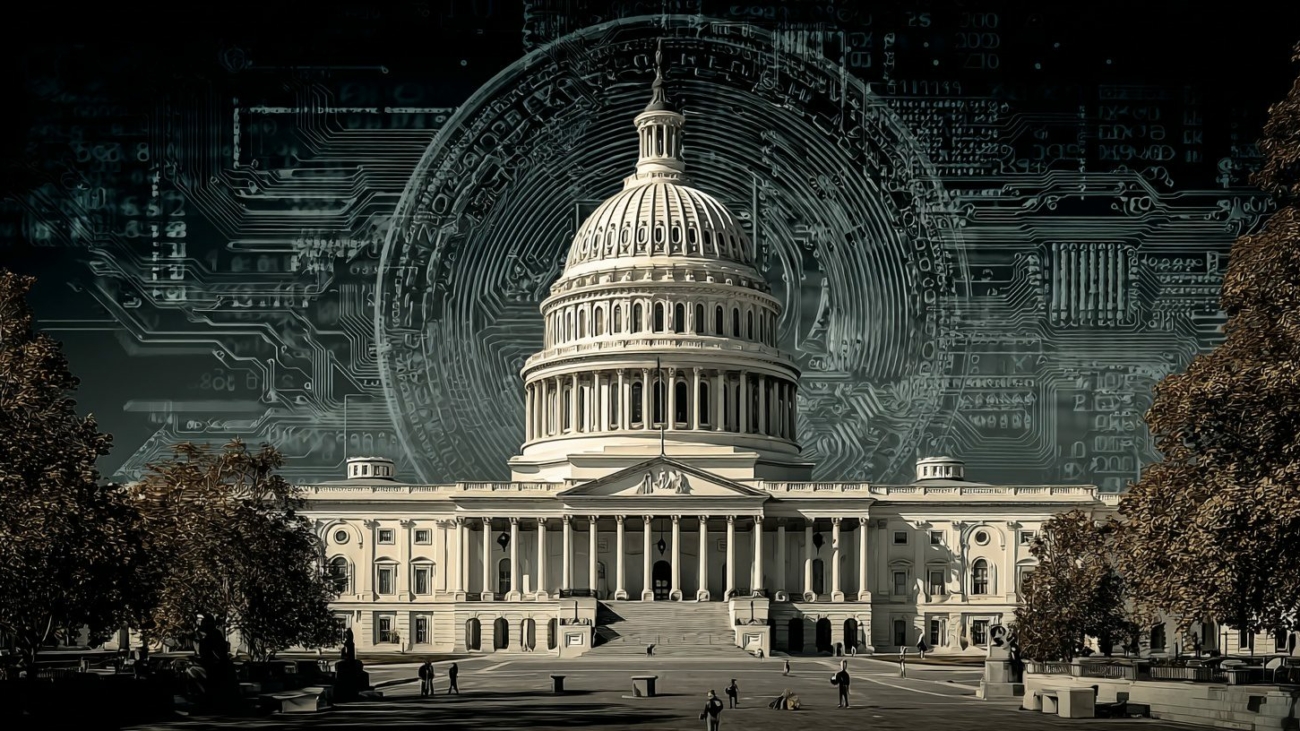
The United States crypto regulatory landscape has undergone a dramatic transformation in early 2026, with the Securities and Exchange Commission (SEC) and the Commodity Futures Trading Commission (CFTC) taking unprecedented steps to coordinate their oversight of digital assets and provide the market clarity that the industry has demanded for years. From the signing of a formal Memorandum of Understanding between the two agencies to the SEC’s groundbreaking roundtable on the CLARITY Act, crypto regulation in 2026 is moving from adversarial enforcement to collaborative framework-building. Understanding the emerging crypto regulation architecture is essential for businesses and investors operating in or considering entry into the digital asset space, as the rules of engagement are changing rapidly and the window for proactive positioning is now.
The SEC-CFTC Memorandum of Understanding: A Historic Milestone
On March 11, 2026, the SEC and CFTC signed a Memorandum of Understanding (MOU) that established formal protocols for inter-agency coordination on crypto regulation issues of shared concern. The MOU represents a genuine departure from the turf-war dynamic that has historically characterised the relationship between the two regulators when their jurisdictions overlap in crypto regulation. Under the MOU, the agencies committed to sharing information on crypto market surveillance, coordinating enforcement actions in cases involving assets that may fall under both agencies’ purview, and aligning their regulatory approaches to minimise conflicting requirements for market participants.
The crypto regulation MOU was accompanied by a joint interpretive release issued on March 17, 2026, in which both the SEC and CFTC clarified how federal securities and commodities laws apply to cryptoassets and transactions involving cryptoassets. This crypto regulation guidance addressed several long-standing ambiguities that had created compliance uncertainty for exchanges, brokers, and institutional investors. The joint release on crypto regulation confirmed that the agencies view their coordination framework as an ongoing relationship rather than a one-time pronouncement, with further joint guidance expected as the market continues to evolve.
The CLARITY Act: What It Would Mean for Crypto Regulation
The CLARITY Act, which the SEC scheduled a pivotal regulatory roundtable to discuss on April 16, 2026, represents the most ambitious legislative attempt yet to resolve the fundamental question at the heart of crypto regulation: which US agency oversees digital assets, and under what legal framework? The Act proposes a functional test for determining whether a digital asset should be regulated as a security under SEC jurisdiction or as a commodity under CFTC jurisdiction, based on the degree of decentralisation of the network and the nature of the asset’s use case.
Under the CLARITY Act’s proposed crypto regulation framework, sufficiently decentralised networks — where no single entity controls network consensus or has material information advantages over public investors — would see their tokens classified as commodities subject to CFTC oversight. More centralised networks, where a controlling team or foundation retains meaningful influence over protocol development and token supply, would see their tokens classified as securities subject to SEC registration and disclosure requirements. This functional approach to crypto regulation would provide clearer guidance than the current environment, where assets move between SEC and CFTC jurisdiction based on shifting regulatory interpretations and individual enforcement decisions.
SEC Guidance on Broker-Dealer Requirements for Crypto
On April 13, 2026, the SEC’s Division of Trading and Markets issued specific crypto regulation guidance addressing broker-dealer registration requirements for certain cryptoasset interfaces. The guidance stated that the SEC would not object to certain covered user interface providers — essentially platforms that facilitate crypto trading but do not take custody of assets — operating without full broker-dealer registration under certain conditions. This crypto regulation guidance represents a meaningful concession to the practical realities of decentralised crypto markets, where requiring every interface provider to register as a broker-dealer would effectively outlaw large categories of DeFi applications.
The April 2026 crypto regulation guidance on broker-dealer requirements is part of a broader SEC posture shift toward providing workable compliance pathways for crypto businesses rather than simply issuing enforcement actions. The crypto regulation guidance was welcomed by the industry as evidence that the current SEC leadership is genuinely committed to what it has described as providing a “minimum effective dose” of regulation — sufficient oversight to protect investors without unnecessarily constraining innovation. For crypto businesses navigating US regulatory requirements, the April 2026 guidance offers meaningful new clarity on compliance obligations for interface providers.
The CFTC’s Growing Role in Crypto Regulation
The CFTC’s role in crypto regulation has expanded significantly in 2026, reflecting the agency’s longstanding position that most crypto assets are best classified as commodities rather than securities. The empowered CFTC that has emerged in the post-MOU, CLARITY Act environment brings several advantages to crypto regulation: the CFTC has deep expertise in derivatives markets where many crypto participants operate, its principles-based regulatory approach is generally more accommodating of innovation than the SEC’s rules-based framework, and its experience overseeing commodity markets provides relevant precedents for Bitcoin and Ethereum regulation.
Industry participants have generally welcomed the CFTC’s increased prominence in crypto regulation discussions. The CFTC’s track record of approving Bitcoin futures products and working constructively with exchanges like CME and CBOE demonstrates an ability to provide oversight that protects market integrity without stifling legitimate activity. As the CLARITY Act progresses through Congress and the inter-agency coordination framework matures, the CFTC’s specific responsibilities within the crypto regulation architecture are expected to become clearer, providing the market with greater certainty about which set of rules applies to different categories of digital assets and activities.
What the New Crypto Regulation Framework Means for Institutional Investors
The improving crypto regulation environment in the United States has direct and practical implications for institutional investors who have been monitoring regulatory developments before making significant allocations. Insurance companies, pension funds, and bank trust departments all operate under regulatory frameworks that restrict or condition their ability to hold crypto assets, and many of these restrictions have been interpreted conservatively in the absence of clear crypto regulation guidance. The SEC-CFTC MOU, the CLARITY Act progress, and the specific broker-dealer guidance issued in April 2026 collectively reduce the compliance uncertainty that has been a significant barrier to institutional crypto allocation.
Several major institutional investors have cited improving crypto regulation as a key factor in their decision to increase Bitcoin and other crypto exposures in 2026. The argument is straightforward: when regulators provide clear rules, compliance teams can write clear policies, and investment committees can make confident allocation decisions. The $1.4 billion in Bitcoin ETF inflows recorded in April 2026 reflects in part the unlocking of institutional demand that improved crypto regulation has enabled. As the CLARITY Act progresses and the SEC-CFTC coordination framework produces further joint guidance, additional institutional capital that has been on the sidelines awaiting regulatory clarity is expected to flow into the crypto market.
Conclusion: A New Era of Crypto Regulation Is Dawning
The developments of early 2026 represent a genuine inflection point in US crypto regulation. The SEC-CFTC MOU, the CLARITY Act roundtable, the broker-dealer guidance, and the joint interpretive release on securities law application to crypto all point in the same direction: toward a regulatory framework that acknowledges crypto as a legitimate and permanent part of the financial system and seeks to provide workable oversight rather than regulatory elimination. For crypto businesses and investors, the message is clear: the era of operating in regulatory grey zones is ending, and the era of navigating a defined — if still evolving — crypto regulation framework is beginning. Those who engage proactively with the emerging crypto regulation architecture, rather than avoiding it, will be best positioned to thrive in the regulated crypto markets of 2026 and beyond.


Leave A Comment