
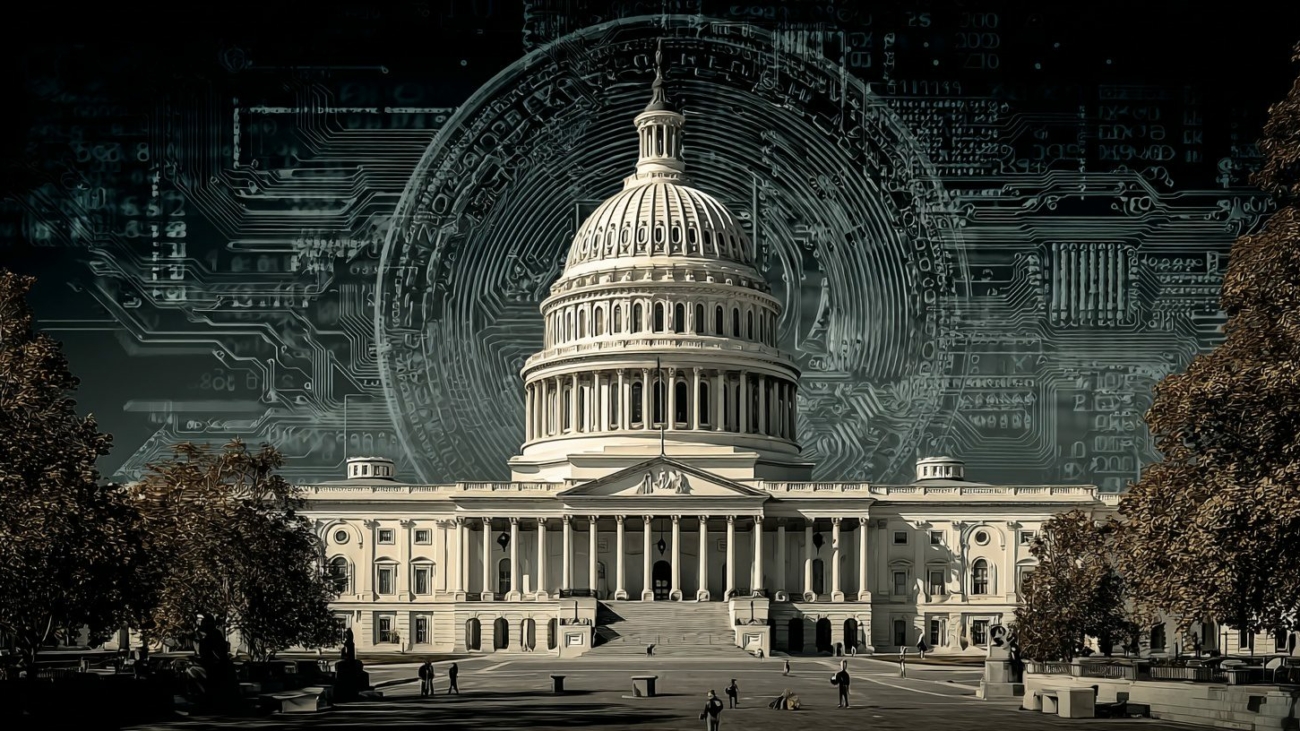
With the 2026 midterm elections casting an increasingly long shadow over Washington policy debates, US lawmakers from both parties are issuing stark warnings: the United States must achieve meaningful crypto regulatory clarity now, or risk permanently ceding global leadership in the digital asset industry to rival nations. The urgency has never been greater, as Congressional gridlock on comprehensive crypto legislation has already allowed jurisdictions like the European Union, the United Kingdom, Singapore, and the UAE to establish clear regulatory frameworks that are attracting blockchain businesses and talent away from American shores.
The Regulatory Gap: How America Fell Behind
The United States, despite hosting the world’s most sophisticated financial markets and being home to many of the largest cryptocurrency companies, has paradoxically developed one of the most fragmented and uncertain crypto regulatory environments among developed economies. Unlike the European Union’s Markets in Crypto Assets (MiCA) regulation — which provides a comprehensive, unified framework for crypto asset issuance and trading across all EU member states — US crypto regulation remains a patchwork of overlapping agency jurisdictions, conflicting guidance, and unresolved legal disputes. The Securities and Exchange Commission (SEC) and the Commodity Futures Trading Commission (CFTC) have spent years locked in a jurisdictional dispute over which agency has primary authority over crypto assets. This inter-agency conflict has created a legal grey zone that has forced many crypto businesses to either operate in regulatory limbo, relocate offshore, or devote enormous resources to legal compliance. Several high-profile enforcement actions by the SEC under the previous administration created what industry executives called “regulation by enforcement” — a pattern where the government defined acceptable behavior through lawsuits and penalties rather than through clear rulemaking.
What Clarity Would Actually Mean for Crypto
When lawmakers and industry advocates use the word “clarity,” they are typically referring to a specific set of policy outcomes. First, a clear determination of which crypto assets are securities, which are commodities, and which occupy a novel category requiring new regulatory definitions. This threshold question underlies virtually every other compliance decision a crypto business must make — from token issuance to exchange listing to portfolio management. Second, clarity would mean defined licensing requirements for crypto exchanges, custodians, and other intermediaries, with established pathways to obtain licenses and reasonable timelines for regulatory review. Third, clarity would include consumer protection standards that preserve innovation while safeguarding retail investors. The collapse of FTX in 2022 demonstrated the catastrophic consequences of inadequate customer asset protection and corporate governance standards at crypto exchanges. Fourth, clarity around stablecoins — digital tokens pegged to the value of fiat currencies — is urgently needed given their growing importance in payments infrastructure.
The 2026 Election Dynamic: Crypto as a Political Force
The political urgency that lawmakers are now attaching to crypto regulation is largely driven by the recognition that cryptocurrency holders represent a significant and growing voting bloc whose policy preferences cannot be ignored. An estimated 50+ million Americans hold some form of cryptocurrency, up dramatically from fewer than 20 million in 2020. The 2024 presidential election was a watershed moment for crypto politics. Both major party candidates actively courted crypto voters, with President Trump’s explicit embrace of Bitcoin and crypto-friendly promises proving particularly effective at energizing a demographic that had previously been politically diffuse. The 2026 midterms are expected to see crypto policy play an even larger role, as incumbent lawmakers with poor records on crypto face organized opposition funded by the industry and its supporters. Several advocacy groups have announced voter mobilization campaigns specifically targeting crypto holders in swing districts, promising to score lawmakers on their crypto policy records.
Legislative Progress: Where the Bills Stand
Despite years of stalled legislation, 2025 and 2026 have seen meaningful progress on several crypto policy fronts. The Digital Asset Market Clarity Act — a comprehensive bill that would establish a joint SEC/CFTC framework for regulating crypto assets — has advanced further in the legislative process than any predecessor. It passed out of committee with bipartisan support, though floor votes in both chambers remain pending as leadership negotiations continue. Stablecoin legislation has followed a parallel track, with the Stablecoin Transparency and Accountability for Better Ledger Economy (STABLE) Act gaining traction after years of debate. The STABLE Act would establish a federal licensing regime for stablecoin issuers, requiring 1:1 backing with high-quality liquid assets, mandatory audits, and consumer redemption protections. Anti-money laundering (AML) and know-your-customer (KYC) requirements for crypto are also being updated through the Digital Asset Anti-Money Laundering Act, which would bring crypto service providers under the same Bank Secrecy Act obligations that apply to traditional financial institutions.
Global Competition: The Cost of Inaction
The stakes of continued US regulatory inaction are best illustrated by the geographic migration of crypto businesses and talent over the past several years. London has positioned itself as “CryptoCity,” with the UK Financial Conduct Authority establishing clear registration requirements and the Treasury developing bespoke regulation for digital assets. Dubai has emerged as a global crypto hub, attracting dozens of major exchanges and blockchain companies with its Virtual Assets Regulatory Authority’s straightforward licensing process and zero corporate tax environment. Singapore’s Monetary Authority has been particularly successful at attracting institutional-grade crypto infrastructure. Meanwhile, within the United States, the state of Wyoming has attempted to fill the federal regulatory vacuum through its Special Purpose Depository Institution (SPDI) charter, which allows crypto banks to operate under state supervision. Industry estimates suggest that hundreds of billions of dollars in potential investment and thousands of high-paying technology jobs have been diverted away from the United States due to regulatory ambiguity.
The Bipartisan Path Forward
Despite the polarization that characterizes so many policy debates in Washington, crypto regulation has demonstrated unusual potential for bipartisan cooperation. Both the Trump administration’s pro-crypto stance and the growing recognition among Democratic lawmakers that overly restrictive regulation is both economically harmful and politically costly have created an opening for compromise legislation. The areas of broadest bipartisan agreement include: consumer protection standards for crypto exchanges, stablecoin reserve requirements, and extending anti-money laundering obligations to crypto service providers. Senate Banking Committee and House Financial Services Committee leadership have indicated that landmark crypto legislation by year-end 2026 is a stated priority, driven by both the political imperative of the election and the substantive recognition that the current regulatory environment is serving no one’s interests well.
Conclusion: The Clock Is Ticking on US Crypto Leadership
The warnings from US lawmakers about crypto regulatory clarity and American leadership are not rhetorical exaggerations — they reflect a genuine and urgent policy challenge. The window for the United States to establish itself as the world’s preeminent digital asset market is still open, but it is not unlimited. Every month that passes without comprehensive crypto legislation sees more businesses establishing roots in alternative jurisdictions and more institutional capital structured through non-US regulatory frameworks. The political winds in 2026 — shaped by millions of crypto-holding voters and a White House that has made digital assets a signature policy area — are more favorable for legislative progress than at any point in crypto’s history. Whether Congress can translate this opportunity into landmark legislation before the midterms will be one of the defining economic policy stories of the year.


Leave A Comment